Artificial Turf Installation in Orange County
Beautiful, Low-Maintenance Lawns Designed for Southern California Living
If you’re tired of watering, mowing, and maintaining natural grass, artificial turf is one of the smartest outdoor upgrades you can make. At Lifetime Outdoor Living, we specialize in professional artificial turf installation designed to look natural, perform long-term, and enhance the way you use your outdoor space.
Our turf solutions are ideal for Orange County homeowners who want a clean, green lawn year-round without the hassle or high water costs.
The Benefits of Artificial Turf
Artificial turf offers both immediate and long-term advantages for homeowners:
- Always green, year-round – no dead spots or seasonal browning
- No watering, mowing, or fertilizing
- Lower water bills and reduced maintenance costs
- Pet- and family-friendly materials
- Mud-free, clean outdoor spaces
- Ideal for drought-prone Southern California climates
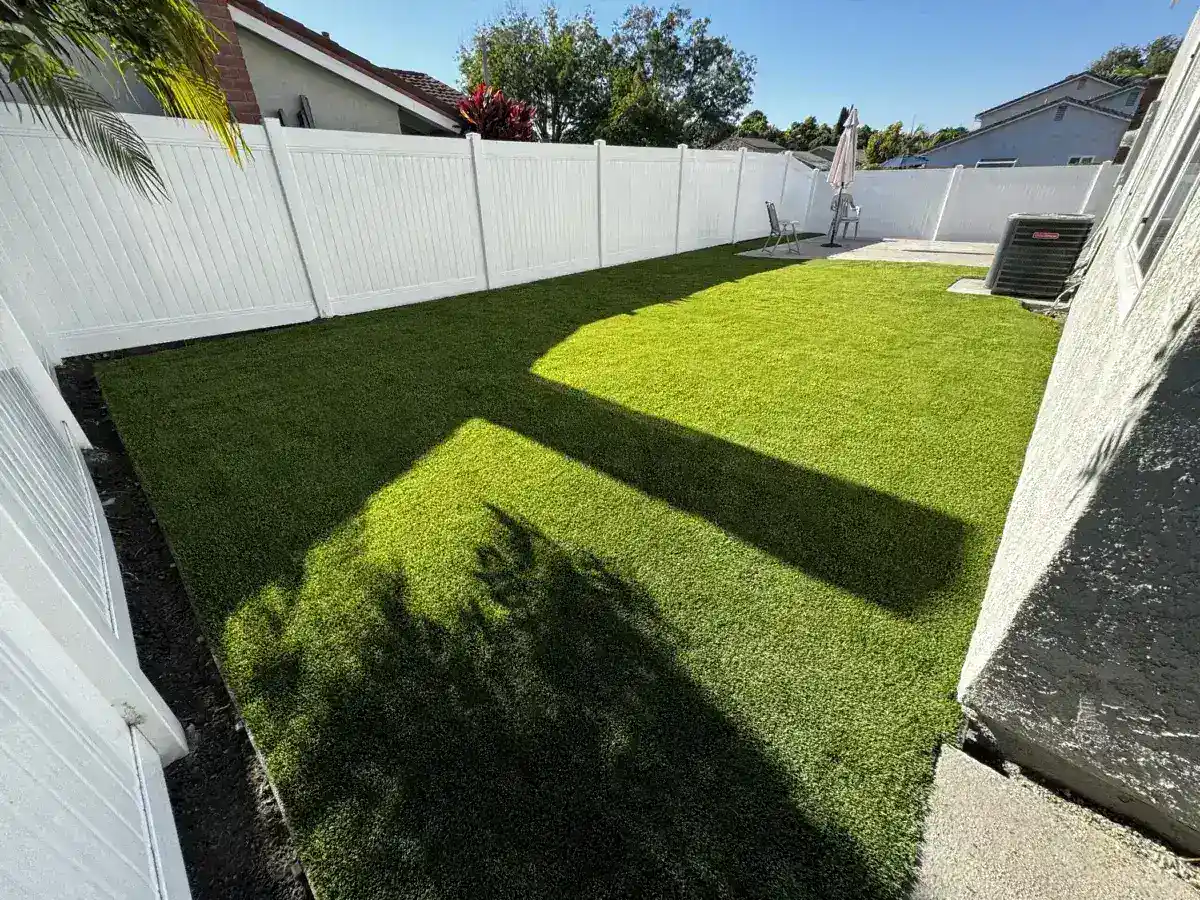
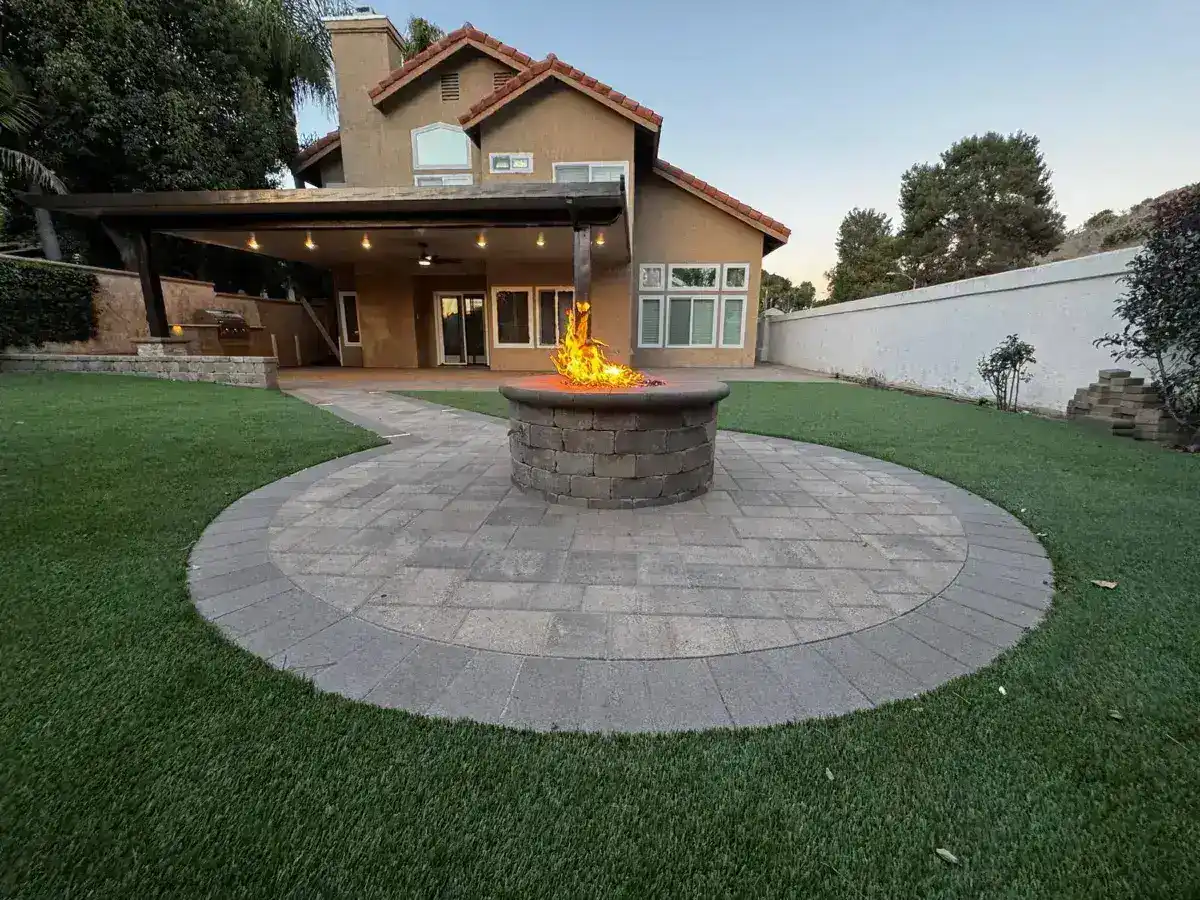
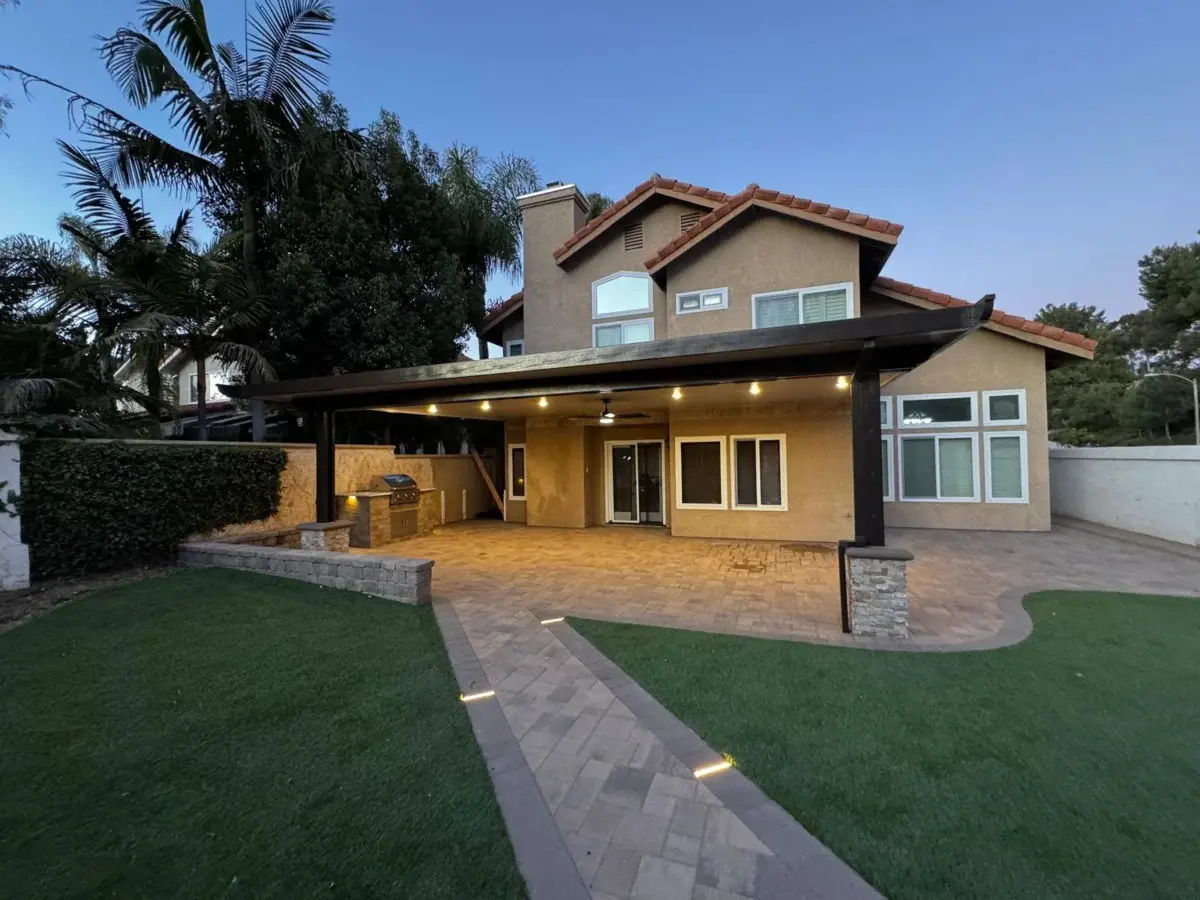
Whether used in a backyard, side yard, or between pavers, artificial turf delivers a consistently clean and polished look.
Custom Artificial Turf Solutions
We design and install turf systems tailored to how your space is used, not one-size-fits-all installs.
Our turf applications include:
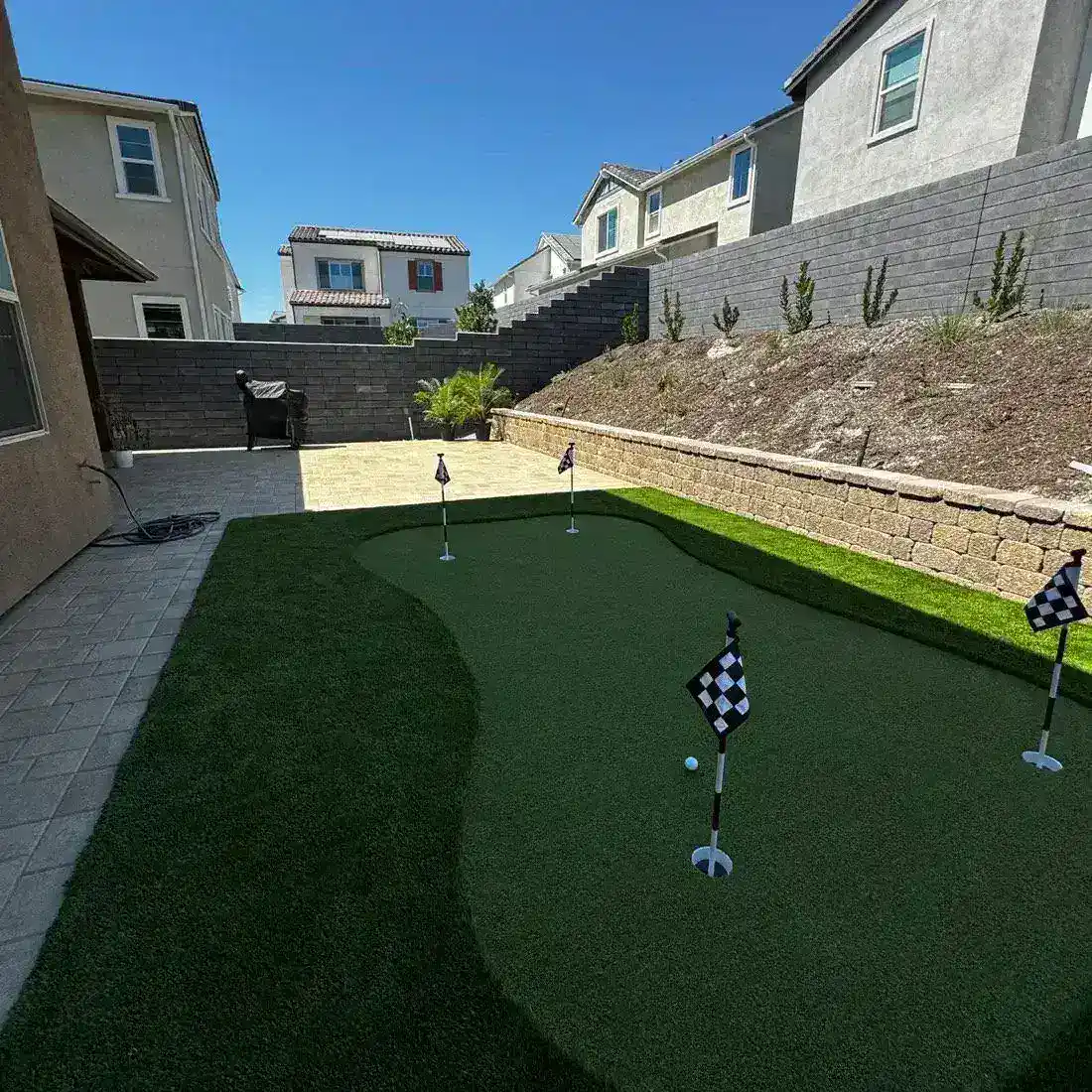
- Backyard artificial turf
- Pet-friendly turf with proper drainage
- Turf for kids’ play areas
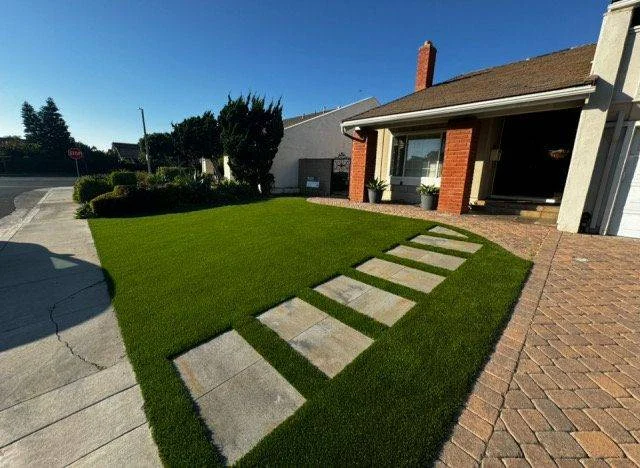
- Turf between pavers for modern designs
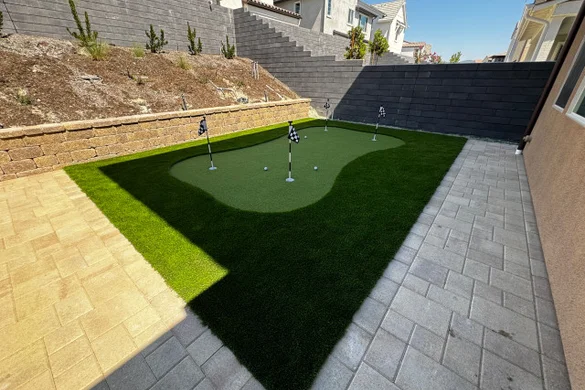
- Side yard and narrow space turf
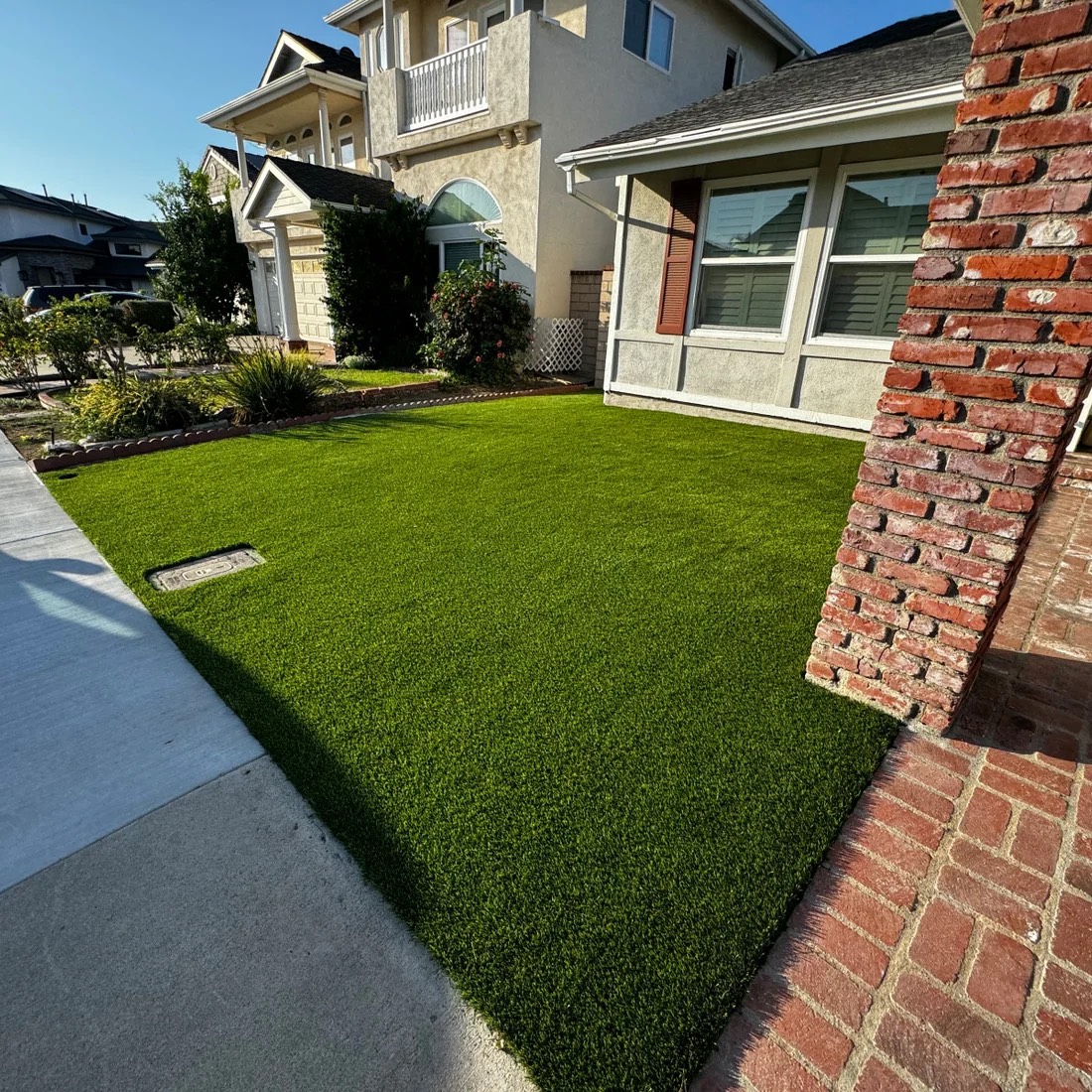
- Low-maintenance landscape turf
Each installation is customized to your property’s layout, drainage needs, and design goals.
Why Professional Turf Installation Matters
Artificial turf is only as good as what’s underneath it. Improper installation can lead to sinking, wrinkles, poor drainage, and premature wear.
Our professional installation process includes:
- Proper excavation and soil preparation
- Compacted base for long-term stability
- Correct grading and drainage
- Precision turf cutting and seam work
- Secure edging and infill application
This ensures your turf stays flat, drains correctly, and looks great for years to come.
Why Choose Lifetime Outdoor Living
Homeowners across Orange County trust Lifetime Outdoor Living because we focus on quality, communication, and long-term results.
- Licensed, bonded, and insured
- Local Orange County expertise
- High-quality turf materials
- Clean, professional installations
- Transparent pricing and timelines
- Strong reputation and customer satisfaction
We don’t rush projects or cut corners — we build outdoor spaces meant to last.
Artificial Turf Installation Throughout Orange County
We proudly serve homeowners throughout Orange County, including Irvine, Laguna Niguel, Mission Viejo, Lake Forest, Yorba Linda, and surrounding cities.
Ready to Upgrade Your Lawn?
If you’re considering artificial turf for your home, our team is here to help guide you through the design and installation process.
Contact Lifetime Outdoor Living today for a free consultation and estimate.
Frequently Asked Questions
How does professional artificial turf installation prevent issues like sinking and wrinkles over time?
Professional installation prevents these issues through a meticulous multi-step process. It starts with proper excavation and soil preparation, followed by applying a compacted base for long-term stability. Correct grading ensures optimal drainage, while precision seam work and secure edging keep the turf flat and wrinkle-free.
Is artificial turf safe for pets, and how does the system handle pet waste and drainage?
Yes, our turf is made from pet-friendly materials. For pet owners, we install specialized turf systems with advanced drainage designs. This allows liquids to pass through easily, preventing odors and standing water, while the durable fibers withstand active pets and are easy to clean.
Can artificial turf be integrated with hardscaping, such as between concrete pavers?
Absolutely. We customize turf systems for modern designs, including installing turf strips between pavers. This requires precise cutting and secure edging to ensure the turf remains flush with the stone, providing a clean, geometric aesthetic without the hassle of trimming real grass in tight spaces.
Why is the base preparation considered the most critical part of an artificial turf project?
The base is critical because turf is only as good as what is underneath it. Without a compacted, properly graded base, the turf will eventually sink, wrinkle, and pool water. A professional base installation ensures proper drainage and keeps the surface level and durable for decades.
How does installing synthetic turf benefit Orange County homeowners facing drought conditions?
Southern California is highly prone to droughts and water restrictions. Artificial turf eliminates the need for daily watering, mowing, and fertilizing. This not only dramatically lowers your monthly water bills but also keeps your lawn looking lush and green year-round without violating local water conservation guidelines.