Frequently Asked Questions
Can artificial turf be safely installed over existing hardscapes like concrete or pavers?
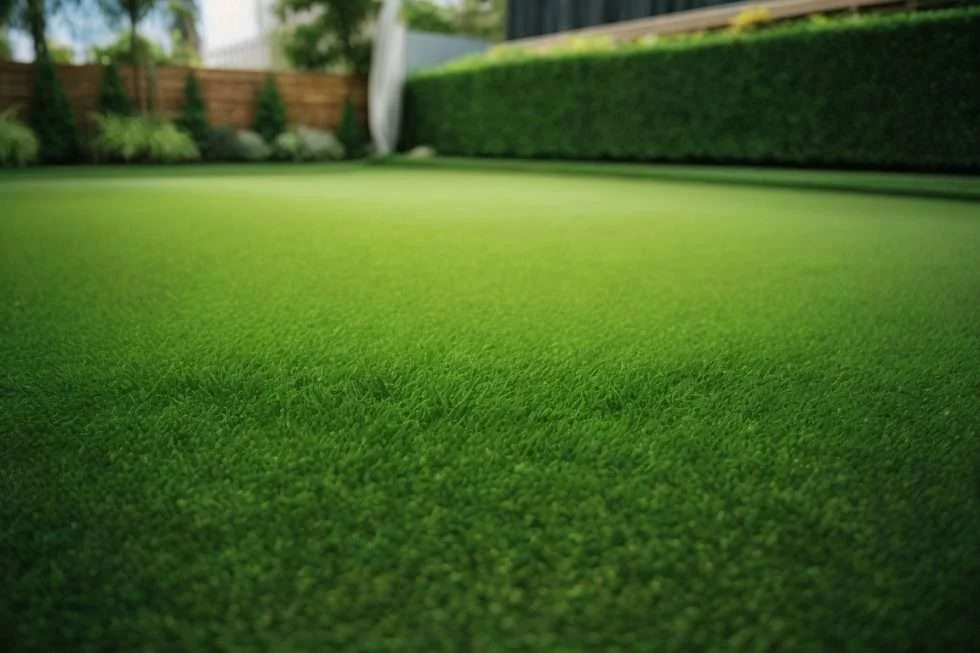
Yes, artificial turf is highly versatile and can be installed directly over hard surfaces like concrete, patios, or balconies. This is an excellent way to soften drab stone areas and add a lush, green aesthetic to tight spaces where natural grass cannot grow, without the need for major excavation.
How does artificial turf handle heavy rain and drainage on hardfaced areas?
Unlike natural grass which turns muddy and requires drying time, artificial turf is highly weather-resistant and drains efficiently. It prevents soggy spots and standing water on your hardscape, allowing you to safely use and enjoy your outdoor patio, deck, or courtyard immediately after a heavy downpour.
Is artificial turf a cost-effective choice compared to traditional landscaping?
While the initial installation of artificial turf on hardscapes can be higher than seeding grass, it saves significant money over time. You eliminate ongoing costs for watering, fertilizing, and mowing. Additionally, you save on expensive lawn care equipment and reclaim hours of personal time otherwise spent on maintenance.
Why is artificial turf considered a safer alternative for pet play areas?
Artificial turf provides a chemical-free environment because it requires no toxic pesticides, weed killers, or fertilizers to stay green. The durable, even surface is gentle on paws, prevents pets from digging hazardous holes, and eliminates the muddy patches that dogs usually track back into the house.
How do climate and home design influence the choice of hardscape materials paired with turf?
Your local climate dictates material durability; for instance, concrete can crack in freeze-thaw cycles, while pavers handle heat well. For design harmony, modern homes pair beautifully with the clean lines of concrete and turf, while traditional homes benefit from the classic look of textured pavers integrated with green turf patterns.