

Frequently Asked Questions
Why are pavers considered more resistant to cracking than traditional concrete slabs?
Unlike solid concrete slabs that crack under ground movement and temperature shifts, pavers are individual units. Interlocking pavers distribute weight and flex with soil expansion, while the sand-filled joints absorb stress, preventing structural cracks.
How does polymeric sand prevent weeds and shifting in a new paver installation?
During installation, polymeric sand is swept into the joints and activated with water. It binds the pavers together, creating a strong, flexible barrier that locks them in place, resists erosion, and prevents weed growth and pests.
What makes pavers a safer and more comfortable choice for Orange County pool decks?
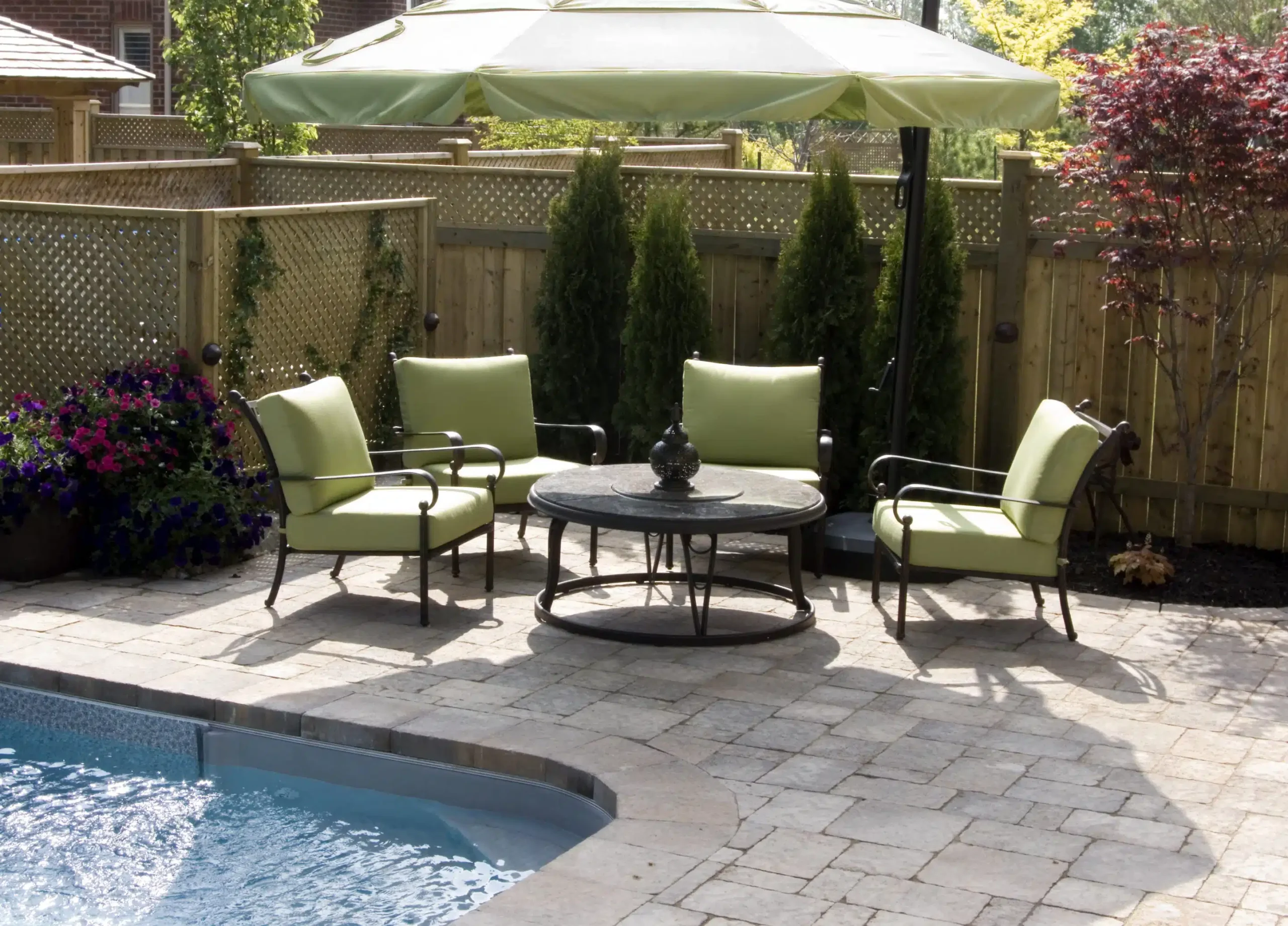
Pavers are highly slip-resistant, providing excellent traction even when wet. Additionally, they are heat-resistant, meaning they stay cooler under the California sun compared to poured concrete, making them much safer and more comfortable for bare feet.
Should I choose interlocking or permeable pavers for my outdoor project?
Interlocking pavers are best for heavy-use areas needing a tight, stable, and seamless fit. Permeable pavers are ideal if you want an eco-friendly solution, as they allow water to filter back into the ground, reducing pooling and runoff.
What are the main aesthetic and functional differences between concrete, brick, and stone pavers?
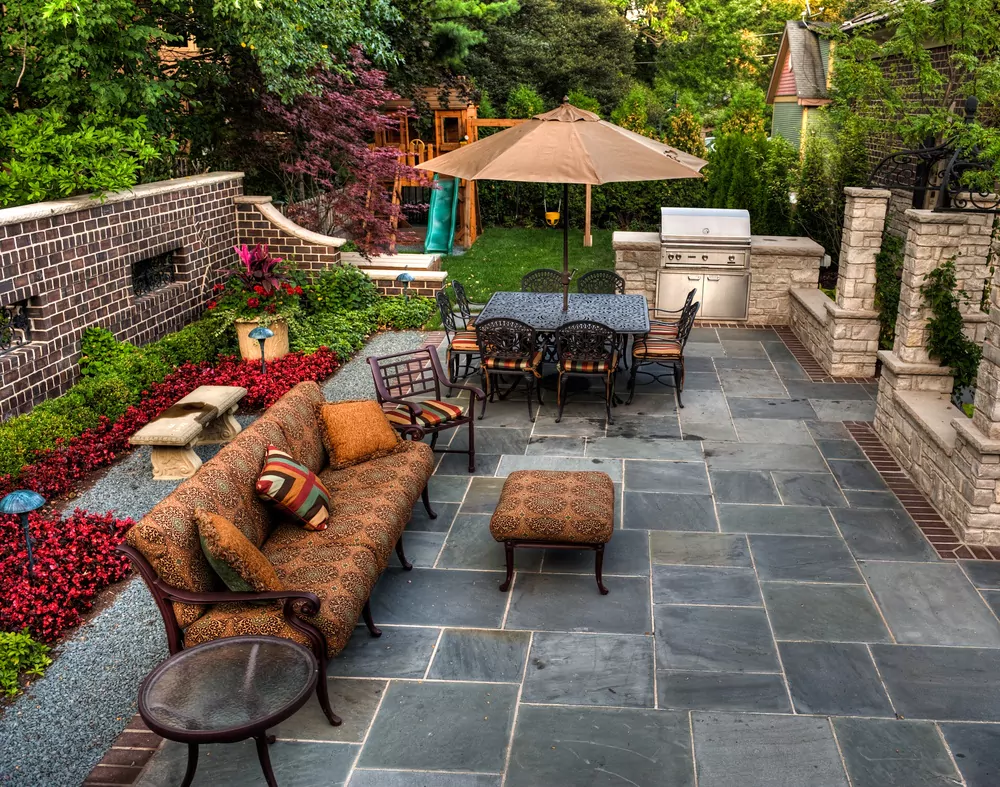
Concrete pavers offer modern versatility and affordability. Brick pavers provide a classic, eco-friendly, and timeless appeal. Stone pavers are the ultimate premium option, offering natural elegance, unique textures, and unmatched long-term durability for high-end outdoor spaces.