Frequently Asked Questions
Why is it a bad idea to lay artificial turf directly on top of my current lawn?
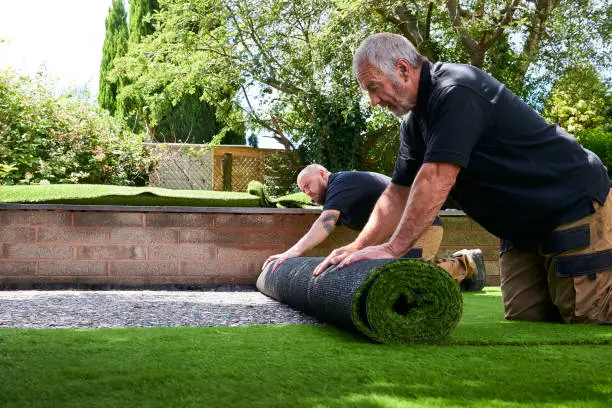
Installing synthetic turf directly over existing grass leads to severe drainage issues and an uneven, bumpy surface. To ensure a flat finish and proper water runoff, you must completely remove the natural grass and soil to a depth of four inches before laying a compacted crushed stone base.
How can I prevent my synthetic grass from getting uncomfortably hot during Buena Park summers?
While artificial turf absorbs more heat than natural grass under direct sunlight, it cools down rapidly in the shade. You can easily manage the temperature on hot days by lightly rinsing the turf with water or incorporating shaded areas like pergolas into your backyard design.
What specific preparation steps are required to ensure proper drainage for synthetic turf?
To prevent water pooling, you must excavate the installation area to a depth of at least four inches, removing all existing grass and soil. Afterward, you need to spread, level, and tightly compact a sturdy base of crushed stone or road base to facilitate natural drainage.
Are there specific safety considerations when choosing artificial turf for homes with pets and kids?
Yes, while most synthetic turf is lead-free and highly durable, you should specifically select products labeled for playground or pet use. These specialized options ensure maximum safety, cleanliness, and durability for high-traffic use by children and pets.
What routine maintenance is required to keep artificial grass looking realistic over time?
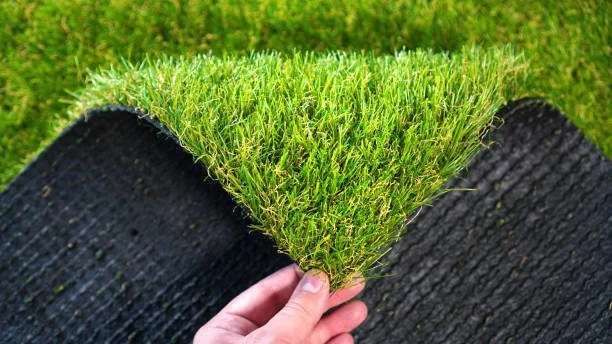
Unlike natural lawns, maintenance is minimal. You only need to remove debris using a blower or rake, rinse the surface occasionally with water, and periodically brush or power-broom the turf blades to keep them standing upright and looking fresh.